













Consistent & effective climate control is an important factor for stable and predictable production. From R&D labs to bulk production, humidity can affect both the chemical and mechanical properties of formulations, which can lead to quality issues and Good Manufacturing Practice (GMP) challenges. Laboratory and pharmaceutical product dehumidification systems can be the right solution to help prevent moisture issues during the production process for tablets, capsules, powders, and strips.

EFFECTS OF UNCONTROLLED HUMIDITY
Pharmaceutical and nutraceutical products are sensitive products that can often lose quality and shelf life when they come into contact with moisture in the air. They stick together, become moldy or break apart. Machines and pipes become clogged, and production, transport and storage are impeded. This is a cost and time intensive situation that can be avoided with desiccant dehumidification.
SOLUTION: TEMPERATURE & HUMIDITY CONTROL
The most effective way to protect raw materials and products during production, storage and transport is to control the surrounding environment. The key is the continuous regulation and monitoring of air humidity level during all production processes, from raw material to end product, maintaining optimum conditions all year round.
All through the life cycle of Active Pharmaceutical Ingredient (API) development and production, Munters has a range of flexible solutions that deliver stable environmental conditions regardless of the weather or season, and deliver your air quality requirements with fixed airflows and HEPA filtration.
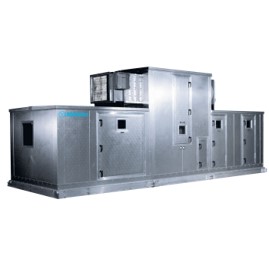
Starting in R&D labs, our dehumidifiers for pharmaceutical and nutraceutical manufacturing can be used to control the relative humidity levels of isolators and glove boxes, and allow fine tuning of the optimal humidity level for producing stable formulations making them the right choice when developing tablets, capsules, powders, and strips.
ADVANTAGES WITH MUNTERS SYSTEMS
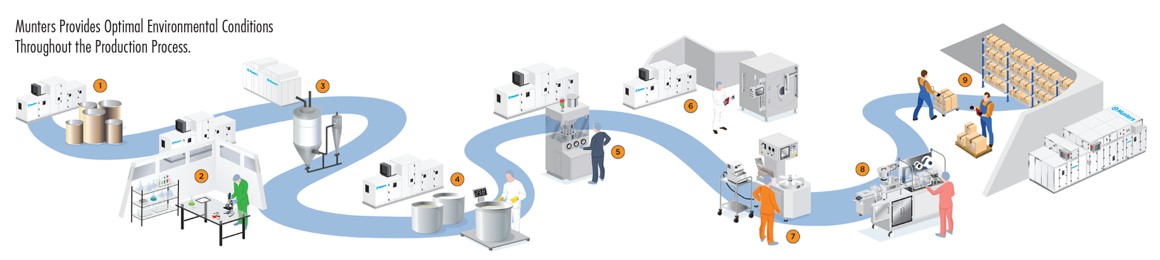
Munters provides optimal environmental conditions throughout the production process.
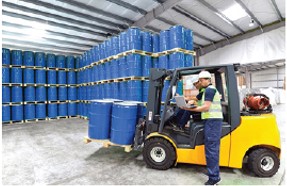
Year-round stable humidity control in dry storage areas will prevent condensation, improve powder flow and reduce the need for frequent cleaning.
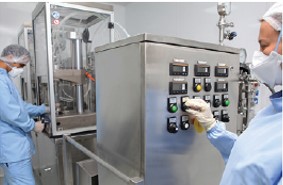
Everything in a cleanroom needs to be accounted for and within specification, and that includes the air. Without proper humidity control, the exterior climate can affect the room conditions.
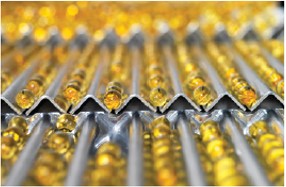
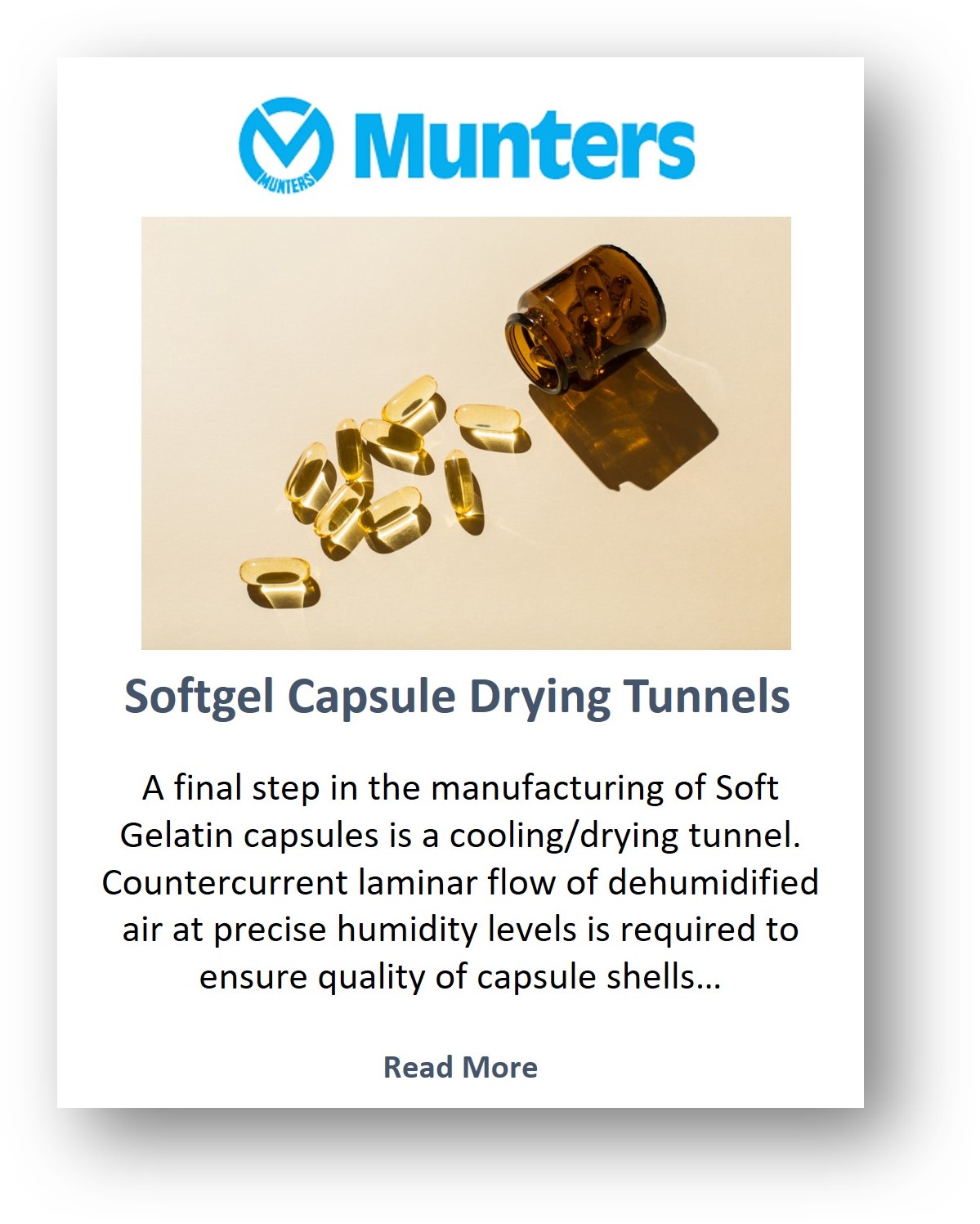
Optimal drying specifications for soft gel and hard capsule drying will be consistently delivered through desiccant dehumidification.
Ideal air quality is provided year-round to assure soft gels dry quickly and meet quality standards.
Whether it’s gelatine, HPMC or other formulations, we can provide precise drying conditions. By carefully controlling the humidity, the moisture content of both filled and empty capsules is ensured.
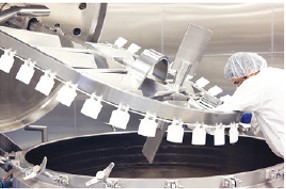
Optimal environmental conditions ensure that excipients and APIs can be continuously and reliably blended, while avoiding the influence of excess moisture that may affect mechanical and chemical properties.
The right balance of moisture ensures that the granulating mixture remains in equilibrium with the air around it, maintaining the required moisture content for granules to form.
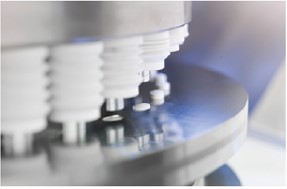
Maintaining the specified humidity set point will result in higher production throughput (prevent product sticking, reduce stoppages, and decrease waste), reduced energy consumption, and improved dosing accuracy.
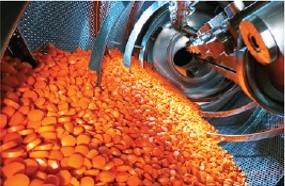
Smooth, consistent thickness of coatings yields maximum visual appeal and proper dispersion characteristics. Avoid coating problems like roughness/orange peel, blistering, hazing, sticking and picking, and erosion by selecting and supplying the right drying conditions.
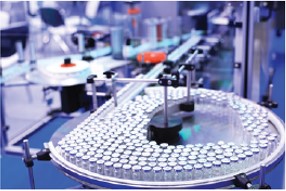
Biologics, vaccines and parenteral product quality all rely on a clean, controlled manufacturing area. The presence of excessive humidity (>70% Relative Humidity) increases the potential for microbial growth. Humidity control also reduces drying time after cleaning operations.
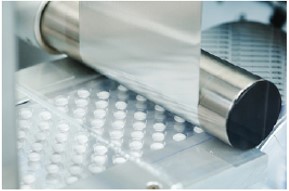
It’s not just tablets or capsules that go into blister packing, the surrounding air also gets sealed in. With the right humidity level, you get packaged products that are longer lasting and durable.
During blow fill seal packaging, condensation on cold surfaces can lead to surface imperfections that affect appearance and structural integrity. Controlling the dew point of the air around the packaging during the blow forming process can prevent this from happening.
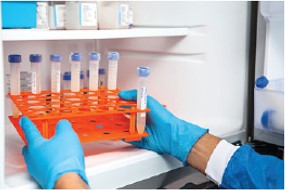
Until the product leaves the plant, every effort needs to be taken to maintain quality and efficacy. Providing low humidity air to cold storage areas prevents ice, frost and fog, and improves worker safety.
After production, dried capsule shells are vulnerable to the effects of humidity fluctuations, compromising mechanical strength and appearance. A stable climate during packing and storage avoids these risks.
ADDITIONAL AREAS THAT BENEFIT FROM CLIMATE CONTROL

Air within airlocks serves as a critical barrier between production zones. The optimal number of air changes coupled with humidity-controlled air, reduces particle counts and reduces latent temperature loads on surrounding areas.

Much like airlocks, PTCs need the right air treatment solution to maintain integrity of the adjoining zones. Using the same air handling specifications as neighboring airlocks reduces the moisture load within the cleanroom.

Controlling the air conditions in adjoining corridors and anterooms contributes to reducing the moisture load within the freezer. These areas will also benefit from correct humidity control.
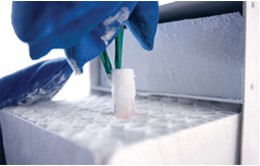
When dealing with temperatures of -13°F, -94°F or even lower, there is an ever-present threat fo unwanted ice development. This reduces the efficiency of cooling coils, increases safety risks from slipping and poor grip, and can compromise packaging integrity. Control the humidity level, and the icing problem is eliminated.
HUMIDITY CONTROL FOR MEDICAL PRODUCTS & DEVICES
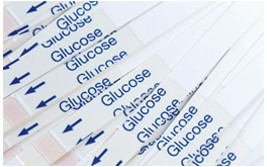
Test Strips
The sensitive chemicals used for test strips need protection from moisture during production and storage. Providing the optimal humidity conditions through these production stages allows the end product to work as expected, which increases patient satisfaction.
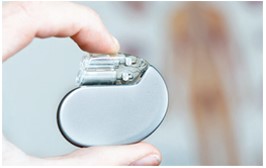
Medical Devices
Implantable and external devices need a carefully controlled climate during assembly, as reliability is a major concern. A Relative Humidity level of 50% or lower eliminates corrosion caused by water as a vapor or liquid.
YOUR PARTNER IN PRODUCTION PROCESS IMPROVEMENTS
Meeting Your Needs
From dry storage and cleanrooms, to tableting, coating, and storage, humidity control is critical to pharmaceutical processes and quality. Munters dehumidification solutions can deliver consistent and precise environmental control to meet the varying specifications required throughout all areas of your plant. Each plant may demand different specifications due to location, climate, equipment and ingredients. In order to Service Why Munters Service? fully understand your specific needs, a complimentary Site Review with the customer, contractor or engineer, and Munters Sales Engineer, is a good first step.
Site Review
During a walk-through of the areas requiring humidity control, our Sales Engineer and support team will review process air treatment issues, gathering information that will help define a solution. Our proposed solution can include Munters equipment, drawings, utility data and energy analysis that, working closely with the customers’ team, can become a plan to improve process productivity, quality and consistency. By exchanging information and working closely together, customers benefit from Munters extensive application experience - and this relationship continues through the life of Munters equipment, not just the sales process.

relevant case studies